
Grandparents at Vision Unlimited
Strengthening children by strengthening the families who raise them
At Vision Unlimited, our mission has always been clear: help children from underserved communities stay healthy, stay in school, and build better futures.
But while running our After School Clubs, we began noticing something important that most education programs overlook.
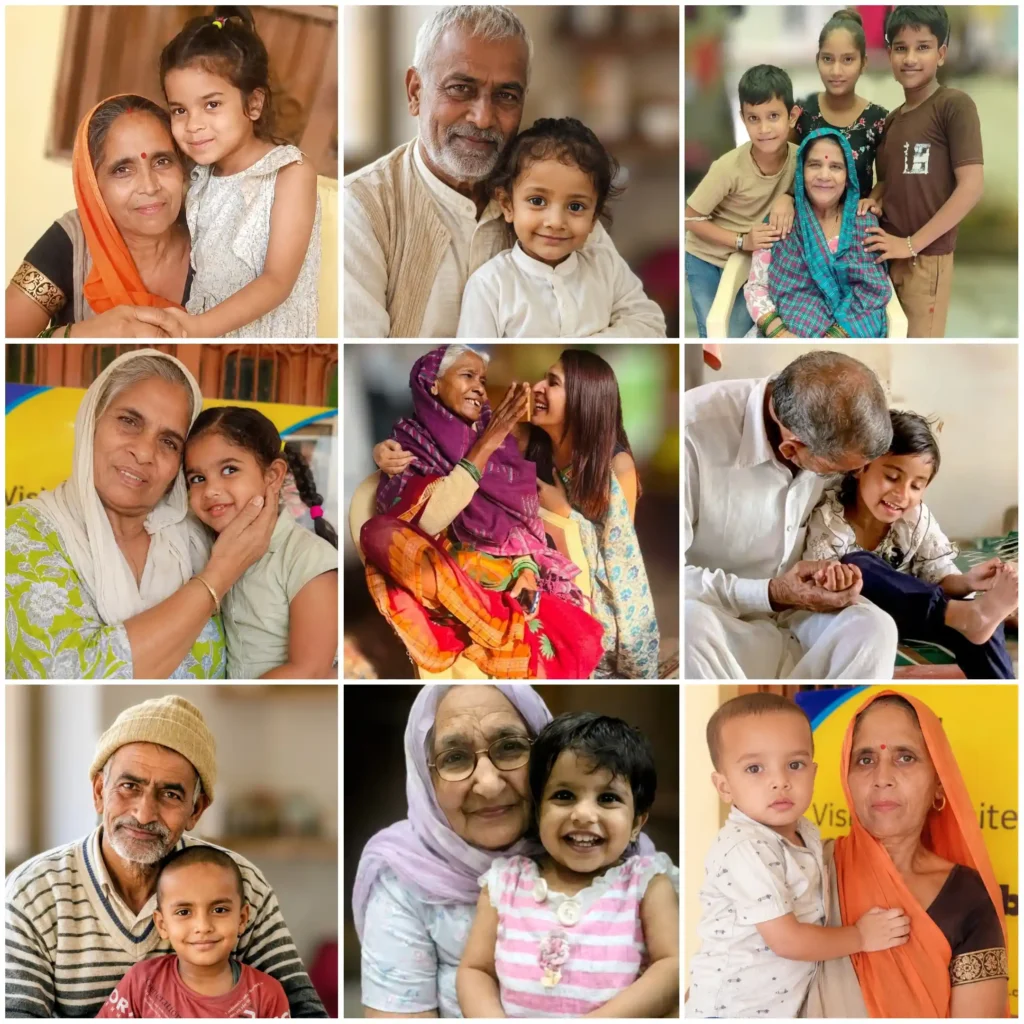
Many of our children are supported every day not just by parents, but by grandparents.
They are the ones bringing children to learning centres.
They ensure meals happen.
They provide stability when parents are working.
They quietly hold families together.
This made us ask an important question:
If grandparents are supporting children’s education, shouldn’t we also be supporting grandparents’ health?
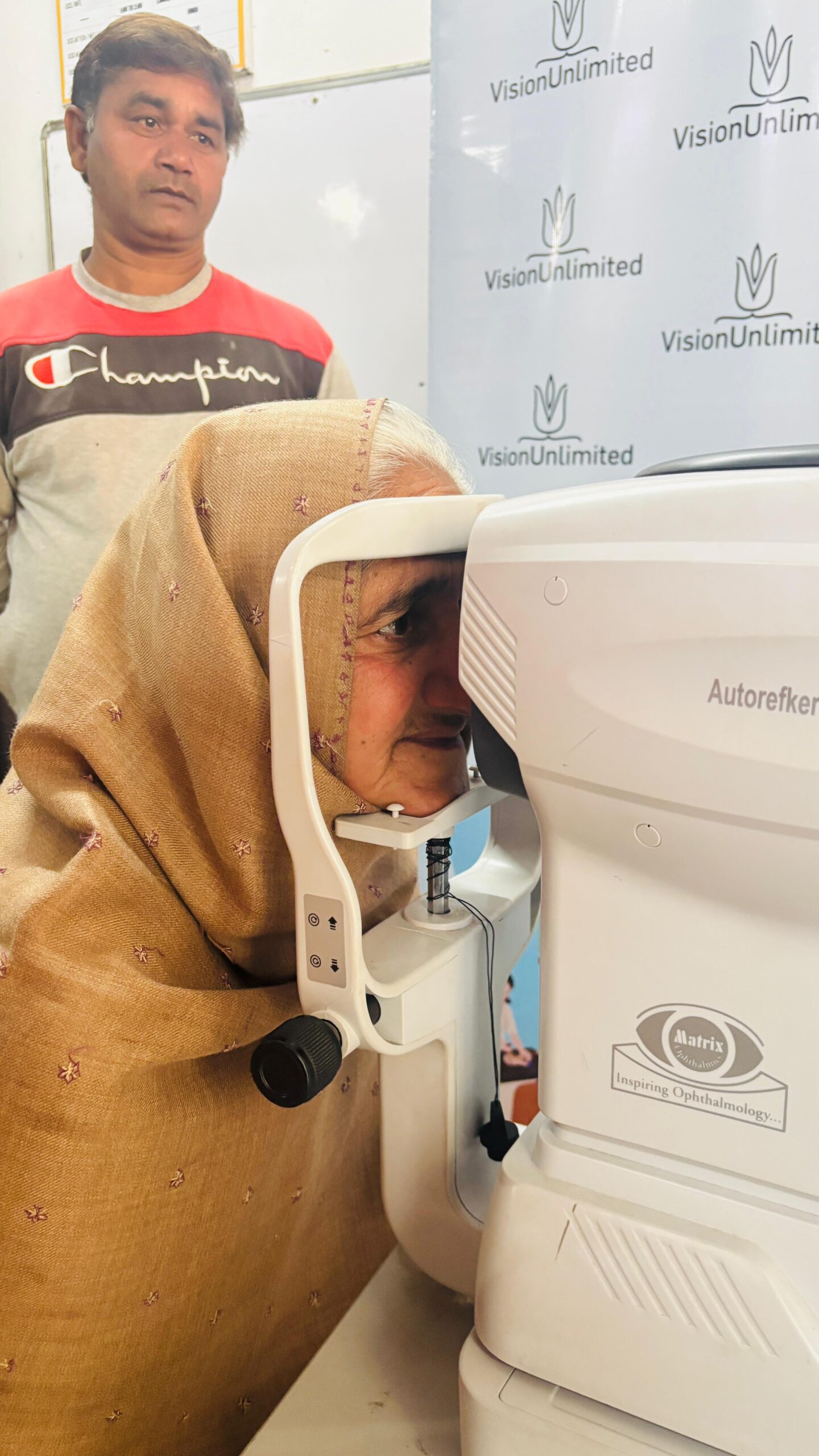
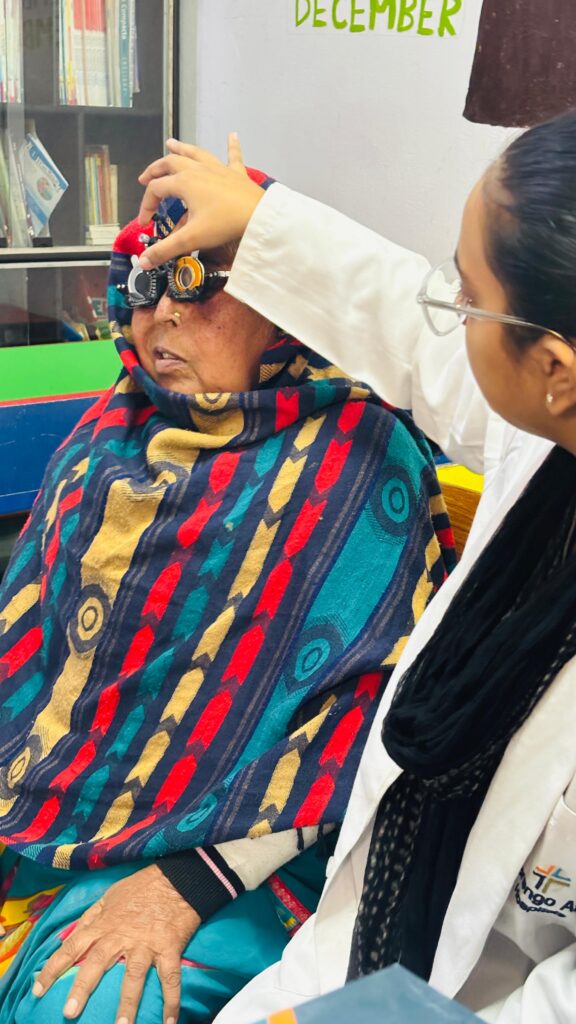
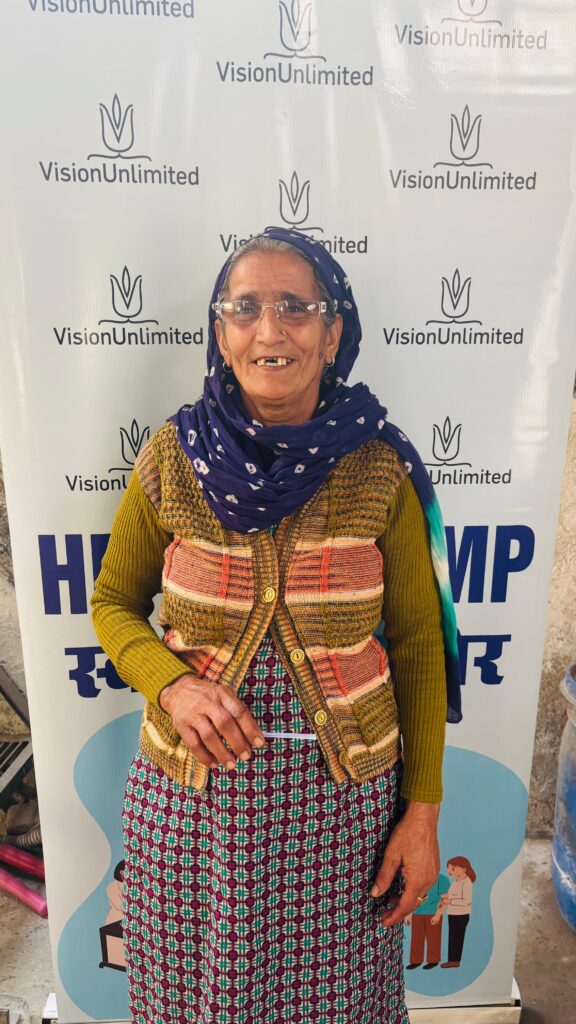
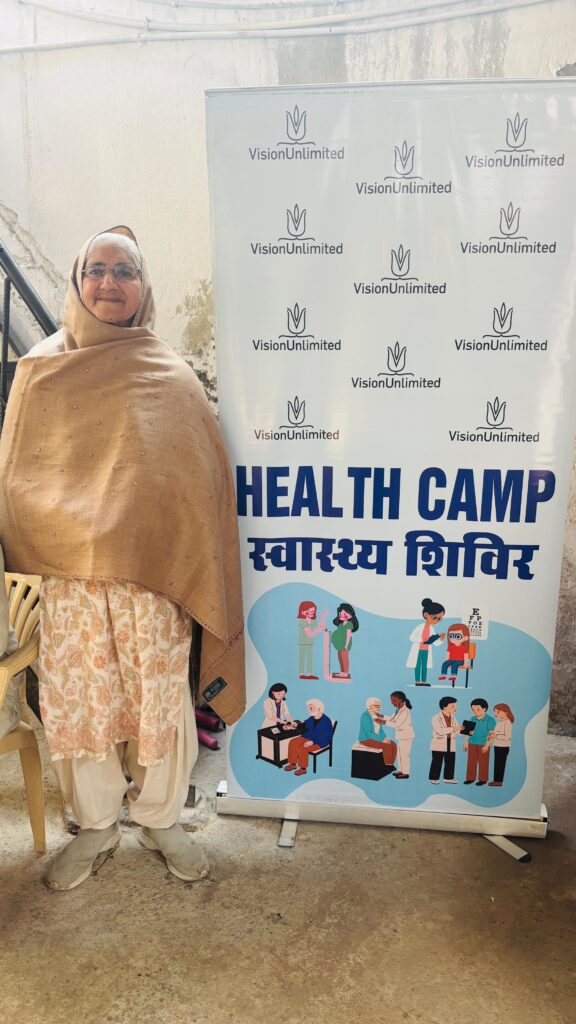
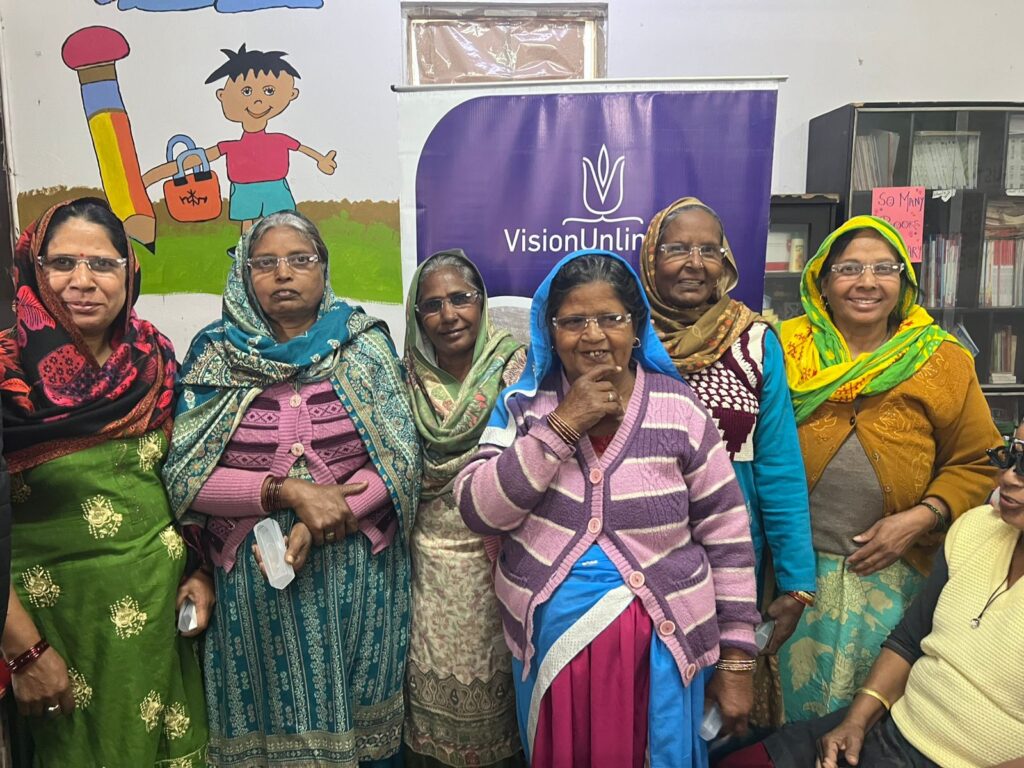
This question led to a simple but powerful initiative, basic health screening for grandparents connected to our After School Clubs.
The Invisible Infrastructure Behind Children’s Education
In vulnerable communities, education does not depend only on schools. It depends on stability at home.
And very often, that stability comes from older family members.
Grandparents frequently provide:
• Daily childcare
• After-school supervision
• Emotional regulation for children
• Food preparation
• Household continuity
• Safety monitoring
In many homes, they function as what we call informal social infrastructure, the quiet systems that allow children to keep learning despite difficult circumstances.
Yet their own health needs are rarely assessed.
What Happens When Caregivers Are Not Healthy
When we conducted basic screenings, we found many grandparents living with untreated or poorly managed chronic conditions such as:
• Hypertension
• Diabetes
• Osteoarthritis
• Chronic respiratory illness
• Vision problems
• Sleep disturbance
• Symptoms of depression
Many also reported declining mobility and risk of falls.
These are not just medical concerns.
They directly affect children’s daily lives.
A grandparent with severe knee pain may struggle to escort a child safely.
Poor vision may affect supervision.
Untreated illness may destabilise family routines.
This revealed an important systems insight:
Child development programs cannot ignore caregiver health.
Families Function as Systems, Not Separate Individuals
Many public programs operate in silos:
Child health programs focus on children.
Elderly health programs focus on seniors.
But families do not function this way.
Families are interconnected systems.
When a caregiver becomes unwell:
• School attendance may suffer
• Nutrition routines may break down
• Emotional stability may decline
• Financial pressure may increase
• Children may lose learning continuity
This means caregiver health is not only a healthcare issue.
It is also an education continuity issue, a poverty prevention issue, and a community resilience issue.
Early Care vs Crisis Care
One of the most important observations was that many grandparents were between 55 and 65 years old — a stage where early detection of health problems can prevent serious disability later.
Simple screening can help prevent:
• Falls
• Loss of independence
• Emergency hospitalisation
• Financial shocks
• Disruption of children’s education
This reflects a principle Vision Unlimited strongly believes in:
Early, simple, consistent care is more powerful than late crisis intervention.
This philosophy guides both our education work and our health initiatives.
Why This Matters Beyond One Community
This work highlights something larger than one program.
It highlights how education outcomes depend on the health of families.
If we want children to succeed, we must understand the realities of the households they live in.
This may mean gradually moving toward more integrated community models that include:
• Basic caregiver health screening
• Vision checks for older adults
• Referral pathways
• Mental health awareness
• Mobility risk identification
These are not expensive interventions.
They are simply thoughtful ones.
A Small Intervention with a Big Lesson
This initiative has reinforced something Vision Unlimited has long believed:
Real impact happens when we look at the whole ecosystem around a child.
Not just:
How is the child doing?
But also:
Who is making it possible for this child to keep going?
Sometimes impact begins with very small actions:
Checking a grandmother’s blood pressure.
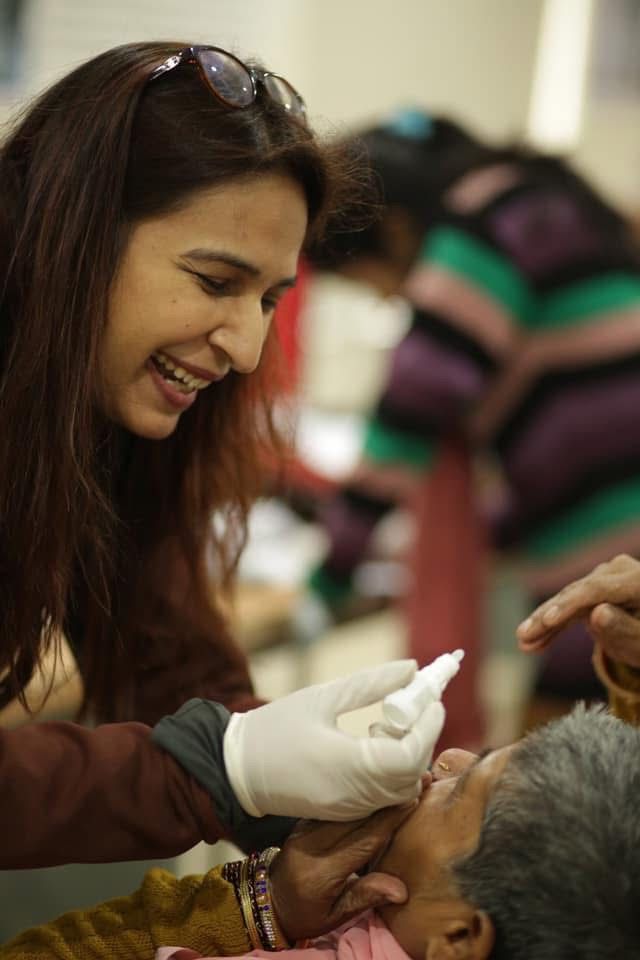
Testing her vision.
Asking if she is sleeping well.
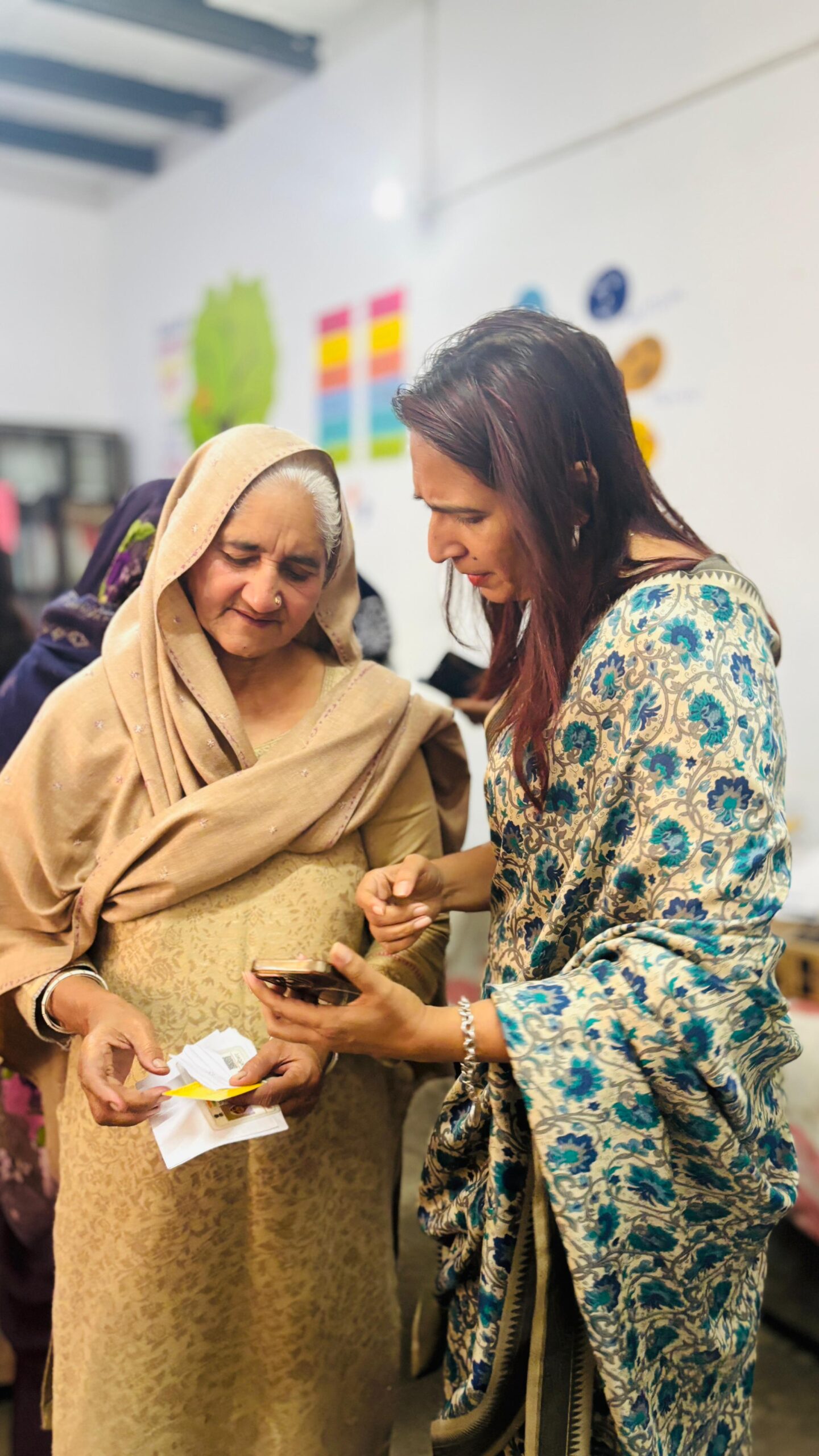
Listening to her concerns.
Because when caregivers stay healthy, children stay stable.
And when children stay stable, education becomes possible.
The Vision Unlimited Way
Vision Unlimited remains primarily an education and child development organisation.
But our work increasingly reflects a deeper understanding:
Children do not grow in isolation. They grow inside families.
And strong families create strong learning journeys.
Our grandparent health initiative is one example of how small insights from the community can lead to meaningful improvements in how we support children.
Because sustainable change does not come from dramatic interventions.
It comes from noticing what others overlook — and strengthening the foundations that already exist.
About Vision Unlimited
Vision Unlimited works with underserved children through After School Clubs that support education, health awareness, and life skills. Our work focuses on early support, continuity of care, and strengthening the ecosystems around children so they can build stable futures.
Read the research articles
This article has been written by Dr Shibal Bhartiya, founder of Vision Unlimited.
She has published peer-reviewed research on the social impact of Vision Unlimited After School Clubs, examining how social interventions should balance medical evidence, beneficiary preferences, and long-term outcomes.
Her peer-reviewed articles can be accessed on PubMed and Google Scholar