
Search Vision Unlimited
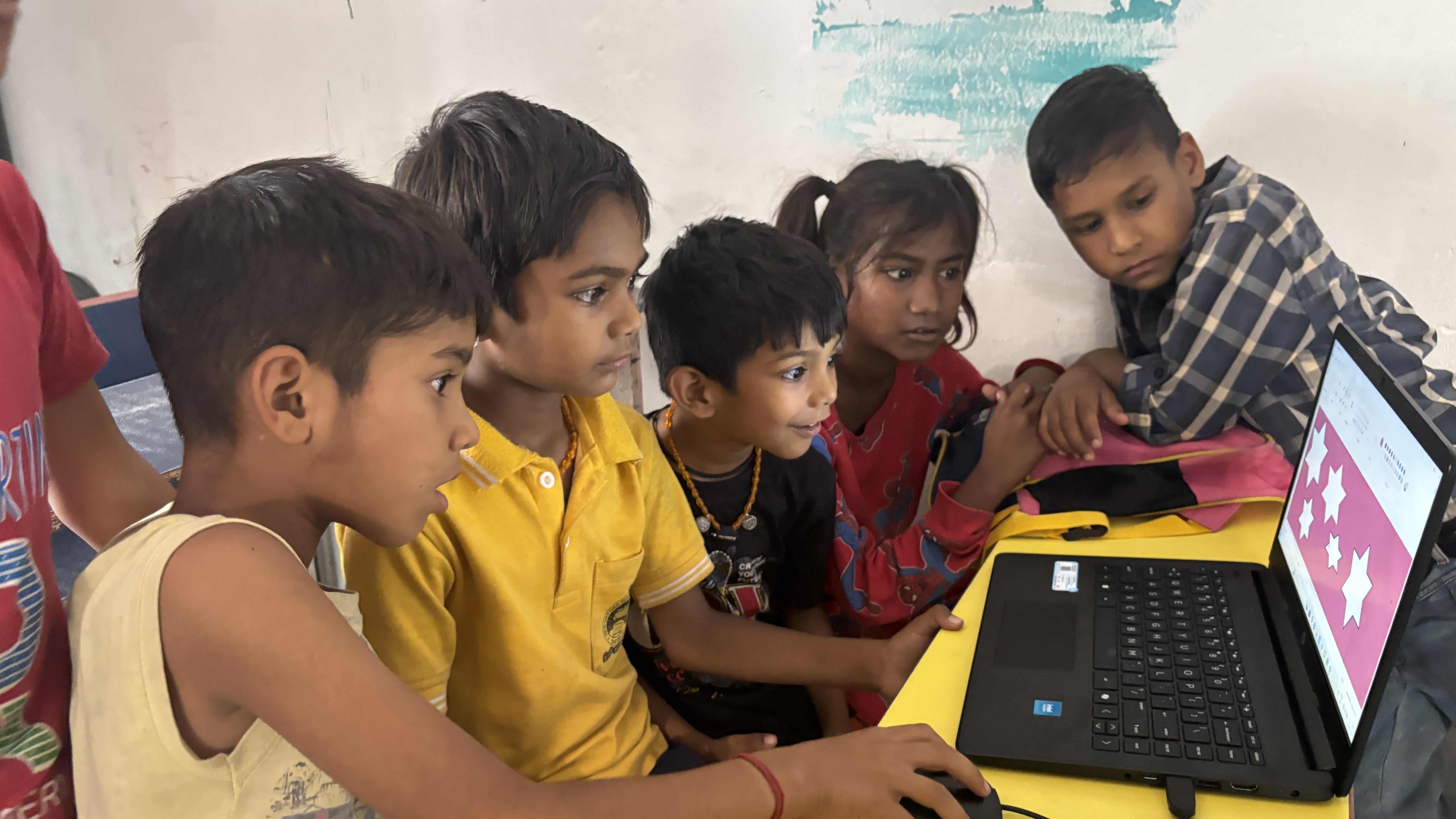
At Vision Unlimited, we believe every child deserves the opportunity not only to learn, but to thrive. Our programmes are designed to address the complex realities of children and families living in urban slums, where education, health, nutrition, early childhood development, and social wellbeing are deeply interconnected.
What makes Vision Unlimited unique is our commitment to measuring impact. Every programme is evaluated, every intervention is refined, and whenever possible, our findings are shared through peer-reviewed publications and international academic collaborations.
Peer-reviewed publications across ophthalmology, public health, education, psychiatry and community medicine
International conference presentations and cross-disciplinary academic collaborations
Community-based implementation research and longitudinal educational outcome studies
Thousands of children and families represented in research that improves our programmes
Our work currently spans the interconnected factors that shape a child's life in an urban slum community.
Frontline community experience, published as evidence that can improve policy, healthcare, education, and child development — in India and globally.
Teachers are often the most trusted adults in underserved communities. This paper demonstrates how teachers working in Vision Unlimited's After School Clubs became effective healthcare navigators, helping families access primary healthcare, government services, immunisation, referrals, and follow-up care.
Read the publicationOne of the first studies describing eye diseases among out-of-school children living in urban slums. The research identified allergic eye disease, vitamin A deficiency and visual health needs within this vulnerable population, providing valuable evidence for future school eye health programmes.
Read the publicationThis intervention demonstrated that simple hygiene education combined with practical support — including soap, detergent and clothing — significantly improved hygiene practices among vulnerable children attending Vision Unlimited's After School Clubs.
Read the publicationThis study explored how After School Clubs strengthen protective factors, reduce behavioural risks, foster belonging, and potentially reduce gang affiliation among vulnerable adolescents.
Read the publicationThis community-based study examined household air pollution, cooking fuels and lung function in children living in urban slums, highlighting environmental determinants of child health.
Read the publicationThis paper describes the implementation of theatre-based socioemotional learning within Vision Unlimited's After School Clubs and demonstrates improvements in confidence, empathy, communication and collaboration.
Read the publicationThis research explores how affordable community daycare improves maternal employment while simultaneously increasing school attendance among older siblings — particularly girls — demonstrating how early childhood programmes generate benefits across the entire family.
Read the publicationVision Unlimited has collaborated with researchers, clinicians and institutions across disciplines, translating community-based programmes into evidence that informs both practice and policy.
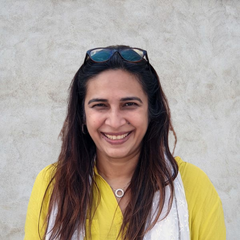
Vision Unlimited's research programme is led by Dr. Shibal Bhartiya, an ophthalmologist, glaucoma specialist, clinician-scientist, and Founder of Vision Unlimited. With more than 200 peer-reviewed publications, 28 textbooks, and editorial leadership of two international journals, Dr. Bhartiya's work spans clinical ophthalmology, public health, child development, education, and implementation science.
Under Dr. Bhartiya's leadership, Vision Unlimited has embedded research into every stage of programme design, ensuring that community interventions are rigorously evaluated, continuously refined, and shared through peer-reviewed publications, international collaborations, and scientific presentations. By transforming frontline experience into evidence, the organisation aims to develop practical, scalable solutions that improve the lives of vulnerable children and families while contributing to global knowledge in community health and education.
More About Our FounderPublishing our work is not an academic exercise — it is part of our mission. Children living in underserved communities are often invisible within scientific literature. By documenting their experiences and evaluating our interventions, we aim to strengthen the evidence base for programmes that improve education, health, wellbeing and opportunity.
Every publication represents real children, real families and real communities. By sharing what works — and what can be improved — we hope to help organisations, researchers and policymakers create better futures for vulnerable children everywhere.
"Evidence is not the end goal — it is the bridge between compassion and lasting change."